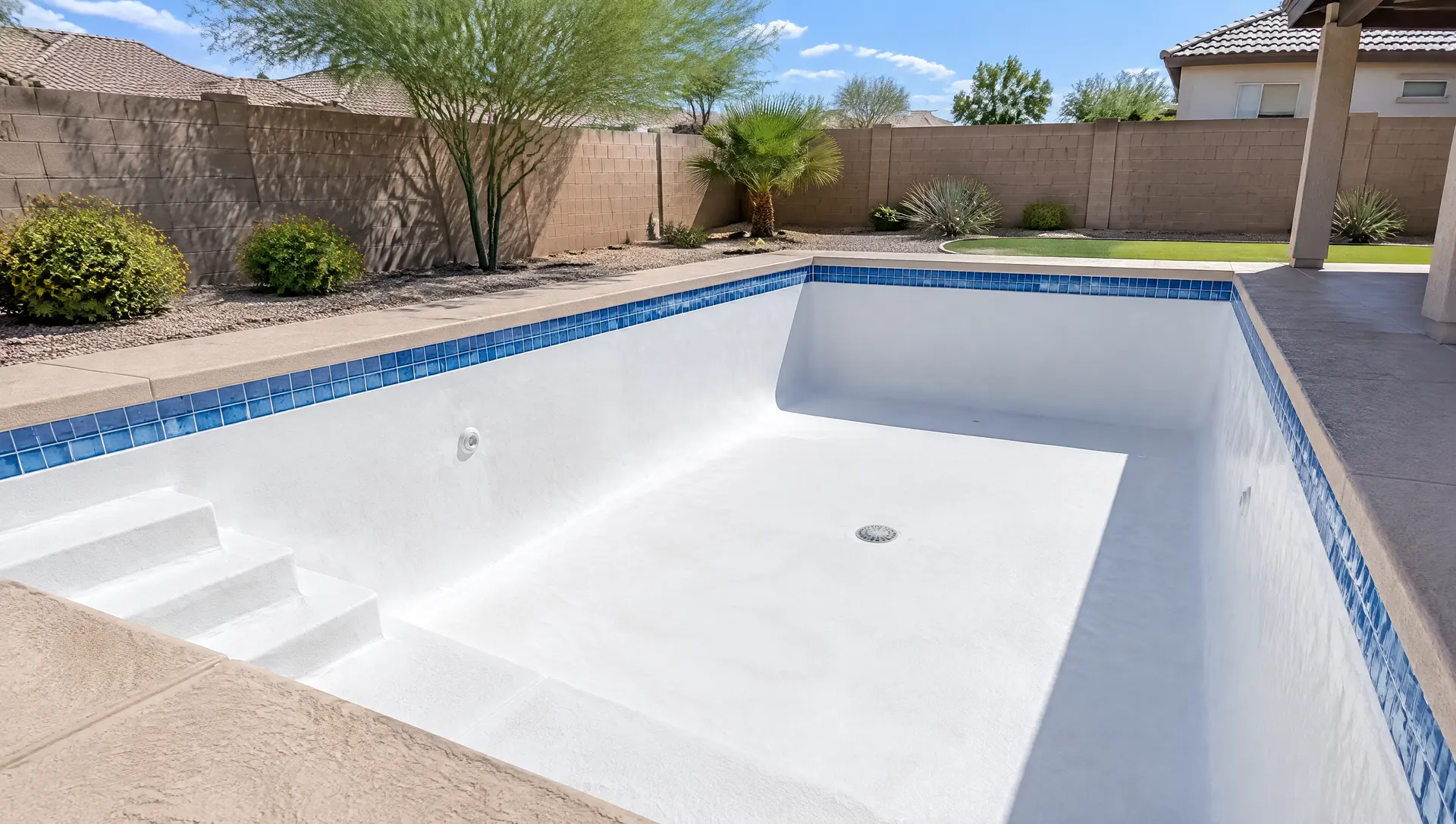
Gilbert Pool Acid Wash
Pool Acid Wash and Resurfacing in Gilbert, AZ
A fresh face for stained plaster, or a new finish when the old one is past saving.
Gilbert Pool Acid Wash
A fresh face for stained plaster, or a new finish when the old one is past saving.
A pool acid wash strips a thin layer off the plaster surface, taking algae stains, mineral marks and dullness with it. It works best on plaster that's still smooth and solid.
The pool is drained, washed section by section with a diluted acid solution, neutralized and rinsed, then refilled. Most acid washes take about a day once the pool is empty.
Each wash removes some of the finish, so it isn't a repeat-every-year fix. If the plaster is rough, thin, flaking or etched, resurfacing is the better use of a drain.
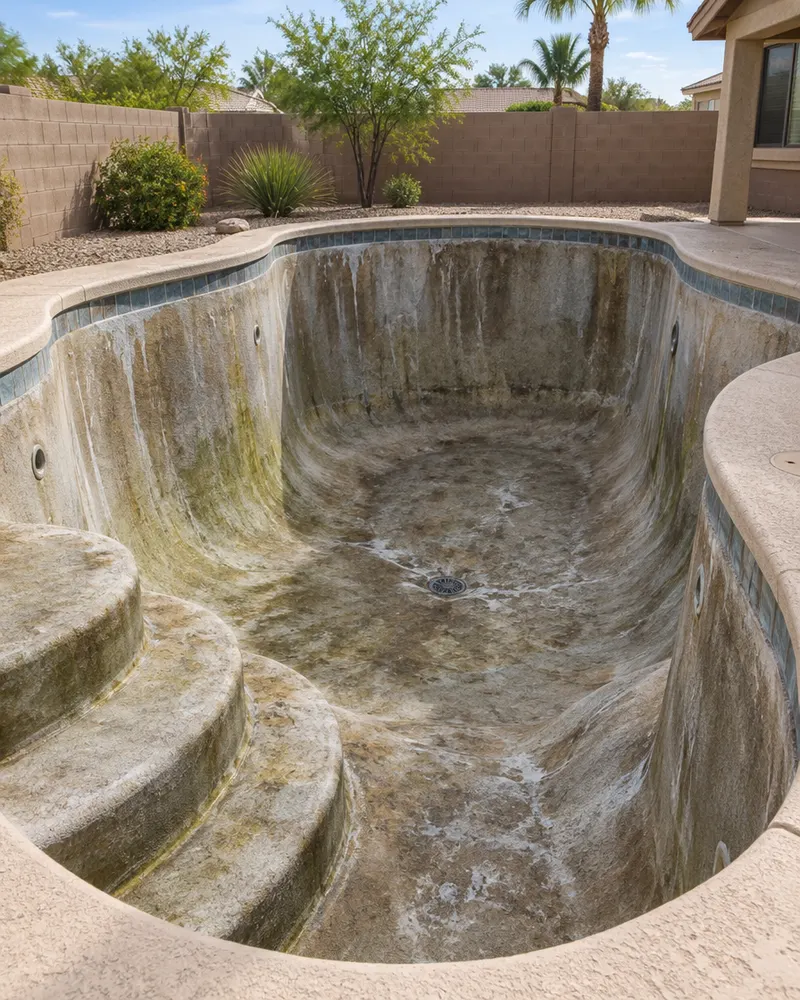
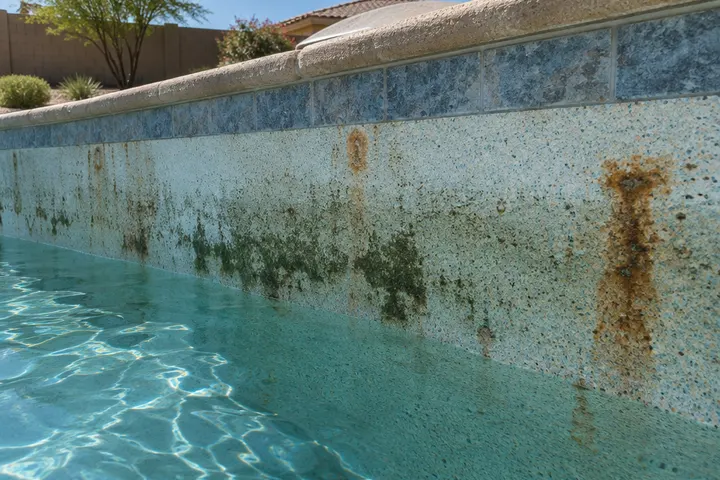
Dark algae marks and brown metal stains that brushing won't lift.
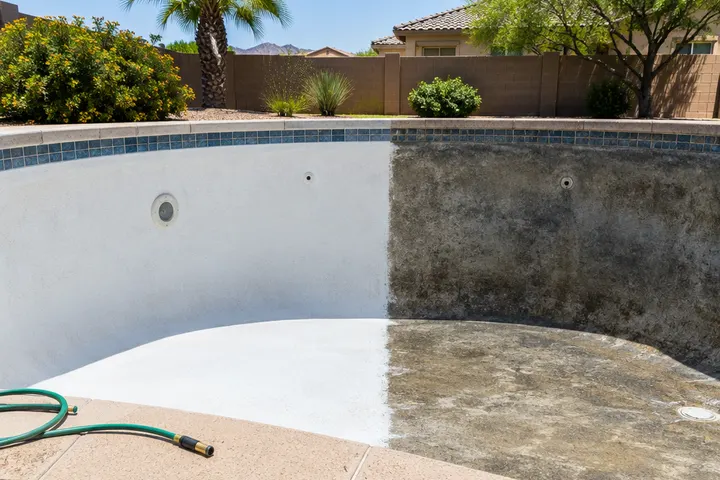
Plaster brightened section by section, then neutralized and rinsed.
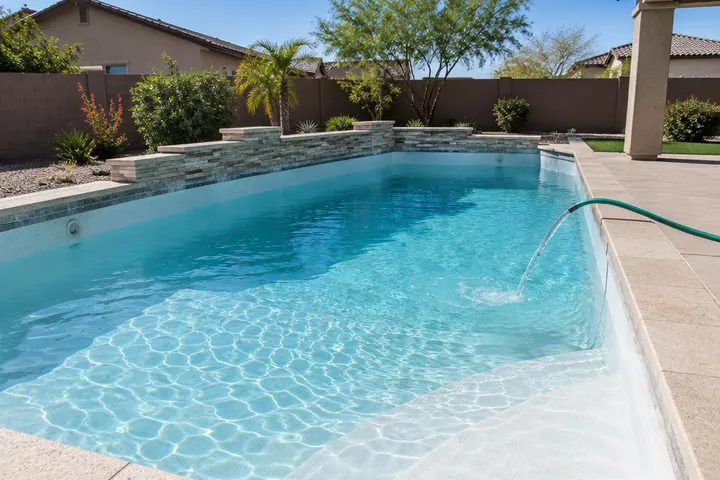
Water back in and balanced right after the wash.
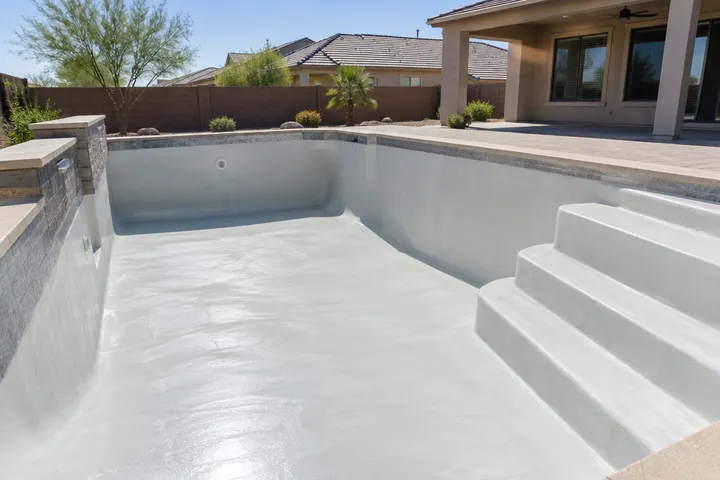
A new plaster, quartz or pebble finish when the old one is worn through.
| Acid wash | Resurfacing | |
|---|---|---|
| Best for | Stains on smooth, solid plaster | Rough, thin, flaking or etched finishes |
| What it does | Removes a thin surface layer | Replaces the interior finish |
| Pool out of use | About a day after draining | Longer, depending on finish and tile work |
| Repeatable? | A limited number of times | A new finish starts the clock over |
Run your hand along the wall. Smooth but stained plaster is a good acid wash candidate. Rough, chalky or flaking plaster needs a new surface.
Done properly and not too often, no. It removes a thin layer of plaster, which is why we don't recommend it every year.
Pebble finishes can get a light acid treatment for scale and stains, but the process differs from plaster. We look at the finish before recommending it.
We drain responsibly and follow local rules for where pool water can go. Ask us and we'll walk you through the plan for your lot.
Tell us how your plaster looks and feels. We'll recommend an acid wash or resurfacing.
Free estimate, no obligation